🔪 Best Japanese Kitchen Knife 2026 — My Real Picks
As someone who cooks daily and sharpens knives obsessively, I know the difference a high-quality Japanese kitchen knife makes. Whether you're slicing sashimi, chopping vegetables, or prepping meat, having a sharp, reliable blade is crucial. Here are the three I'd actually buy:
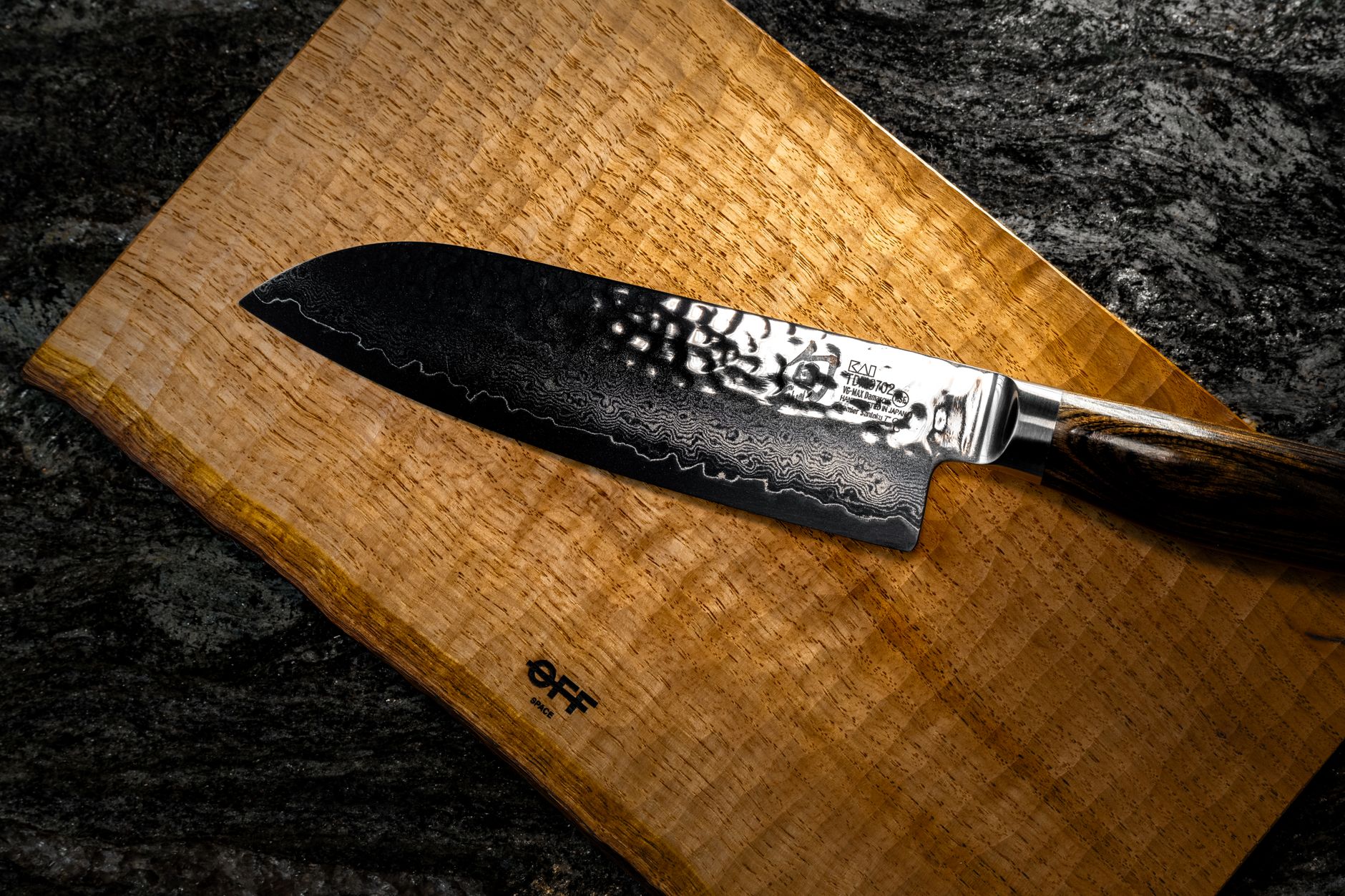
- Shun Classic 8-Inch Chef's Knife — Best Overall — razor-sharp edge with balanced weight and beautiful Damascus finish.
- Miyabi Birchwood SG2 8-Inch Chef's Knife — Best Value — top-tier steel and craftsmanship at a surprisingly accessible price.
- Tojiro DP Gyuto 8.2-Inch — Best for Everyday Use — durable, sharp, and forgiving for home cooks on a budget.
🔝 Top Picks at a Glance

Shun Classic 8-Inch Chef's Knife
A razor-sharp, beautifully crafted chef's knife for serious home cooks and pros alike.

Miyabi Birchwood SG2 8-Inch Chef's Knife
Japanese SG2 steel blade with stunning birchwood handle, perfect for cooks wanting premium quality.
Tojiro DP Gyuto 8.2-Inch Japanese Chef's Knife
Durable VG10 steel with a practical design, ideal for everyday home kitchen use.
Prices change often. Check today's price and availability before you buy to make sure you're getting the best deal.
🧠 What to Look for Before You Buy
Picking a Japanese kitchen knife isn't just about brand names or looks — it’s about how the knife feels, performs, and holds up over time.
Blade Steel & Sharpness
Japanese knives are famous for their hard steel. Look for VG10, SG2, or similar high-carbon stainless steels. They’re sharper and hold edges longer but can be more brittle if mishandled.
Knife Weight & Balance
Japanese knives tend to be lighter and slimmer than Western knives. Balance matters for control — too light and it feels flimsy; too heavy and it tires your hand quickly.
Handle Material & Comfort
Handles come in wood, composite, or plastic. Choose one that feels secure in your hand and suits your kitchen’s moisture conditions. Wood offers grip and beauty but needs care.
Price vs. Durability
High-end Japanese knives are investments. Some mid-range options like Tojiro offer great edge retention and durability without breaking the bank.
🟦 Shun Classic 8-Inch Chef's Knife — Best Overall
I've used the Shun Classic for over a year, and it never fails to deliver razor-sharp precision with an elegant feel. The VG-MAX steel core paired with Damascus cladding gives it incredible edge retention and beauty.
Who it's for
This one’s perfect for serious home chefs who want a knife that performs well across all kitchen tasks — from slicing sashimi to dicing onions — and who appreciate a well-balanced, lightweight blade.
Real-world performance
- Holds a hair-thin edge for weeks with regular honing.
- Comfortable D-shaped pakkawood handle that resists moisture.
- Cuts through fish and vegetables effortlessly with minimal drag.
- Lightweight and balanced for long prep sessions without fatigue.
Value assessment
At around $170, it’s an investment but worth every penny for the quality and performance. You’re getting professional-grade steel and craftsmanship with a lifetime of use if maintained properly.
🟩 Miyabi Birchwood SG2 8-Inch Chef's Knife — Best Value Pick
This knife blends stunning aesthetics with the ultra-hard SG2 micro-carbide steel, making it a standout in its price range. I was impressed by its edge retention and balance.
Who it's for
Ideal for home cooks who want a premium Japanese knife that looks as good as it performs and are willing to spend a bit more for durability and style.
Real-world performance
- Extremely sharp out of the box, with a 60° double-bevel edge.
- Birchwood handle provides excellent grip and classy looks.
- SG2 steel holds up well under heavy chopping and slicing.
- Slightly heavier blade offers control for precise cuts.
Value assessment
Though it’s pricier (~$250), the performance and craftsmanship justify the cost. You’re paying for a near-professional level knife that lasts.
🟨 Tojiro DP Gyuto 8.2-Inch — Best for Everyday Use
For everyday chopping without fuss, the Tojiro DP is my go-to budget pick. It offers VG10 steel sharpness and decent edge retention at a very accessible price.
Who it's for
Great for beginner to intermediate home cooks who want a reliable, sharp Japanese-style chef’s knife without splurging. Fits small kitchens and casual cooking needs.
Real-world performance
- Sharp right out of the box with a versatile 60° edge.
- Comfortable resin handle that’s easy to maintain.
- VG10 steel blade holds edge well for moderate prep tasks.
- Slightly thicker blade tolerates rougher use without chipping.
Value assessment
At around $110, it’s a fantastic entry-level Japanese knife. You lose some finesse and edge longevity compared to pricier models, but it’s a solid daily performer.
📊 Side-by-Side Comparison
- ✓Razor-sharp VG-MAX steel
- ✓Elegant Damascus finish
- ✓Lightweight and balanced
- ✓Ultra-hard SG2 steel
- ✓Beautiful birchwood handle
- ✓Excellent edge retention
- ✓Affordable VG10 steel
- ✓Durable resin handle
- ✓Great for everyday use
Affiliate links — we may earn a commission at no extra cost to you.
✅ Our Recommendation
For most home cooks: Shun Classic 8-Inch Chef's Knife. It’s the perfect blend of razor-sharp performance, comfort, and durability — ideal for those who cook regularly and want a knife that can handle everything from delicate slicing to heavier chopping.
If budget is the priority: Tojiro DP Gyuto 8.2-Inch. You get a sharp, reliable VG10 blade at an affordable price, perfect for beginners or those who don’t want to fuss with high-maintenance knives.
For enthusiasts who want premium craftsmanship: Miyabi Birchwood SG2. It’s a bit of a splurge but rewards with unmatched sharpness, edge retention, and stunning aesthetics.
What we'd skip: Avoid cheap no-name Japanese-style knives that cut corners on steel quality and balance. They may look good but won’t hold an edge or last, forcing you to replace them sooner.
Prices change often. Check today's price and availability before you buy to make sure you're getting the best deal.
❓ Frequently Asked Questions
How often do I need to sharpen a Japanese kitchen knife? Japanese knives use harder steel that holds an edge longer but can chip if neglected. For home cooks, sharpening every 6-12 months with regular honing every few uses is typical.
Can I use a Japanese knife for all kitchen tasks? Yes, but some Japanese knives are specialized (like yanagiba for slicing fish). A good Gyuto like the ones listed here is versatile enough for most tasks.
Are Japanese knives harder to maintain than Western knives? They require more care to avoid chipping and rust. Always dry after washing and use a proper sharpening stone or professional service.
What’s the difference between VG10 and SG2 steel? VG10 is a very good stainless steel often used in mid to high-end knives. SG2 is a powdered steel with higher hardness and edge retention, usually found in premium knives.
Is the handle material important? Yes, comfort and grip affect cutting safety and ease. Wood handles look great but need more care, while resin or composite handles are durable and moisture-resistant.
If you’re exploring other kitchen essentials, don’t miss my picks for Best Air Fryer 2026 – My Top 3 Picks for Crispy Results and the Best Knife Sharpener 2026 – My Top 3 Picks to keep your blades in top shape.